A nonprofit-owned path toward a new Alzheimer's treatment
The Abzyme Research Foundation owns a prototype human catalytic antibody, a catabody, with an unusual property: it permanently and rapidly destroys amyloid-beta directly through an intrinsically anti-inflammatory catalytic mechanism, without the inflammation-inducing immune-cell clearance pathway of conventional antibody therapy.
Having proven that Alzyme safely reduces amyloid-beta plaques in animal models, ARF is now partnering with Keystone Sciences to engineer an optimized, drug-ready candidate. Our goal is to bring a safer, more effective Alzheimer's therapy to clinical trials while keeping ownership in nonprofit hands to ensure global patient access.
Antibody therapy has advanced Alzheimer's treatment, but that is not enough.
Alzheimer's disease is the most common neurodegenerative disease on earth. While available small-molecule drugs give transient symptomatic relief, antibodies are the only known drug class shown to target Alzheimer's disease causation.
FDA-approved antibody drugs represent historic progress, but they come with a major cost: to clear toxic amyloid-beta, they trigger the brain's inflammatory immune cells. This immune inflammatory cascade frequently causes brain swelling and micro-hemorrhages, which reduces the antibody cognitive benefit and has required frequent MRI monitoring and FDA “black box” safety warnings.
A new way is needed to eliminate the villain of the piece, the problem of immune inflammatory cell activation by conventional antibodies, which not only causes the observed brain inflammation but also reduces the cognitive benefit.
Unlike ordinary antibody treatments, Alzyme clears amyloid-beta without relying on the brain's phagocytic immune cells. By avoiding this inflammatory pathway, Alzyme is unlikely to carry the risk of severe brain abnormalities. Note that a strong safety profile is already demonstrated in our preliminary animal testing.
Alzyme breaks amyloid-beta apart directly.
A traditional antibody can only bind a single amyloid-beta target on a 1:1 weight basis. Then it must passively wait for specialized immune cells to clear the amyloid-beta target. Alzyme is a catabody. It works differently, in that it actively catalyzes the breakdown of toxic amyloid-beta aggregates. A catabody acts like a recyclable pair of scissors; it cuts and immediately moves on to the next molecule. Because of this continuous recycling ability, a single catabody can destroy thousands of toxic amyloid-beta molecules over its lifetime. The most striking part is that catabodies to many different amyloids are a gift of nature: ARF showed that the anti-amyloid catalytic mechanism evolved naturally as a defense against Alzheimer's and other amyloid diseases. ARF now proposes to apply Alzyme as a passive immunotherapy against Alzheimer's.
Catabodies isolated from people without Alzheimer's selectively destroy the misfolded amyloid-beta that forms toxic plaques in the brain. Importantly, they do not break down other physiological targets, including the amyloid precursor protein (APP) from which amyloid-beta is enzymatically produced, preserving APP's other physiological functions.
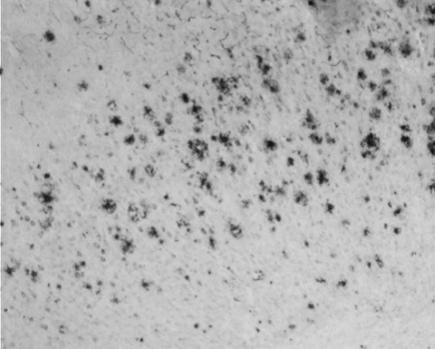 Untreated
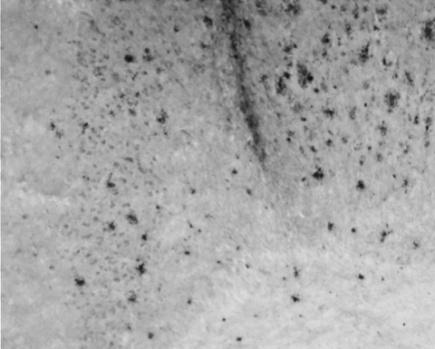 Alzyme · 10 days
Amyloid-beta plaque in an Alzheimer mouse model before and after a 10-day, low-dose (100 µg) course of Alzyme. Plaque burden fell 28% with zero microglial activation or microbleeds. Planque et al., JBC 2015.
Proof of principle
Alzyme: catalytic properties and efficacy
- Degrades preformed aggregates. Alzyme actively dissolves already-formed amyloid-beta aggregates and toxic oligomers. Electron microscopy and Thioflavin T (ThT) binding assays show it dismantling dense, preformed Aβ plaques.
- Prevents new aggregates from forming. Beyond clearing existing plaque, Alzyme halts the fibrillization process, stopping freshly dissolved Aβ peptides from clumping back into toxic aggregates.
- Outperforms traditional antibodies. Conventional Aβ-binding antibodies (such as IgG 59) rely on recruiting phagocytic immune cells to clear plaque. In direct comparison assays, Alzyme was at least one to two orders of magnitude more efficient at preventing Aβ fibril formation in vitro.
- Works by catalysis, not binding. The clearance is driven strictly by active catalysis: an inactivated form of Alzyme failed to degrade fibrils or reduce ThT fluorescence at all, confirming that catalytic turnover is the mechanism of clearance.
- Clears amyloid-beta across three animal models, with no brain abnormalities. Whether delivered as a soluble protein (intracranial or intravenous) or as AAV gene therapy, the results were consistent: amyloid-beta plaque cleared, with no exacerbation of brain inflammation and no microbleeds.
Importantly, ARF has extended the catabody technology to tau, another protein involved in the causation of Alzheimer's disease, developing prototype catabodies designated Tauzyme that destroy pathological tau aggregates. ARF recognizes that targeting both amyloid-beta and tau aggregates may be essential for the most effective Alzheimer's therapy. The same optimization pipeline used for amyloid-beta can readily be applied to further Tauzyme development.
Alzyme needs structural optimization before it can become a drug candidate.
Certain structural optimizations are strongly recommended to make Alzyme more druggable, that is, to de-risk its development pathway before the expensive manufacturing and human-trial stages. ARF has plans for Alzyme optimizations using discrete antibody structural engineering tools, to obtain:
- Greater physical stability, for example to withstand the rigors of manufacturing and prolonged storage before use in patients (elevated temperature, various solvents)
- Improved solubility without aggregation, necessary for a small-volume, convenient drug
- More prolonged circulating half-life in blood and brain after administration, intended to prolong cognitive benefit
- Faster permeation across the blood-brain barrier for improved ingress into the brain, intended to improve cognitive benefit
The crux of Alzyme is its catalytic activity. Alzyme is already a sufficiently fast and specific catalyst to afford removal of large amounts of brain amyloid-beta. Our proposed structural engineering platform has innovative capability useful not only for the conventional antibody properties that play an important role in their druggability, but also for improving the catalytic function, by changing the internal flexibility of the coordinated Alzyme regions responsible for the initial amyloid-beta-specific binding step and the subsequent chemical step in which amyloid-beta peptide bonds are broken.
A previously introduced change has already extended Alzyme's half-life elevenfold, from 1.8 hours to 19.5 hours. ARF believes that the proposed structural Alzyme optimization will generate a drug with unprecedented catalytic efficiency for amyloid-beta removal, thereby affording improved cognitive benefit.
ARF and Keystone are applying a computational approach built to predict the behavior of dynamic molecular systems.
ARF is partnering with Keystone Sciences to predict the behavior of dynamic molecular systems such as the catabody-target system. Alzyme will be optimized using Entelec, Keystone's causal world model. Entelec derives explanations of molecular behavior from the physical constraints governing a system, then tests those explanations and the proposed structural designs against physico-biological simulation.
In plain terms: rather than learning from examples of molecules that already exist, Entelec works out how a molecule must behave from the physics acting on it, then checks every prediction in simulation before anything is made at the bench.
For Alzyme, the value of this approach is its ability to evaluate and propose structural solutions meeting multiple, sometimes competing functional requirements together in individual predictive simulations. For instance, structural changes that improve catalytic activity through greater flexibility of the binding and catalytic sites must be accompanied by rigidifying changes elsewhere that improve the molecular stability of Alzyme. The success of the proposed structural Alzyme designs will be tested using wet immunochemical analytical methods that ARF has developed.
Optimization across Alzyme's catalytic cycle. Each structural alteration is associated with chemical-energy-driven conformational changes that carry distinct favorable and unfavorable functional consequences. Entelec will evaluate more than 50,000 structural variants, seeking changes that induce the favorable conformations.
Keystone has tested its innovative Entelec methods prospectively on a highly dynamic protein.
Myc, a disordered protein, is an important driver in over 70% of all cancers. Because the protein has no fixed structure, it is difficult to identify where a drug could bind to regulate Myc's activity in cancer. Keystone used Entelec to predict the appearance of individual drug-binding pockets as the protein changes its folded conformational structure. A register of these possible drug-binding pockets was created.
Entelec then predicted the structures of synthetic compounds that would bind those pockets and pre-registered their expected potency ranking before any laboratory testing. The testing confirmed that the compounds inhibited Myc with the correct pre-registered potency rank. The results exemplify the power of Entelec to predict biological behavior from first physicochemical principles even before any laboratory work is done, thereby massively reducing the project uncertainty and risk.
The relevance to Alzyme lies in Entelec's ability to model how molecular behavior shifts as a molecule changes shape. While the Myc program provides experimental proof of this platform capability, Alzyme's catalytic cycle and the activity of redesigned candidates will be validated directly within its own dedicated optimization pipeline.
The program combines structural catabody design based on human intelligence, computational design based on artificial intelligence, and laboratory validation based on human intelligence.
Keystone will carry out the computational optimization. ARF will define the biochemical concepts and constraints underlying the computational work, combined with laboratory experimental testing. The work proceeds through five steps.
- Define the requirements. ARF sets the structural and functional requirements of an improved Alzyme variant: catalytic activity, stability, aggregation, half-life, and brain access.
- Design and rank variants. Entelec generates optimized Alzyme variants and simulates them against the relevant physical constraints.
- Test the variants experimentally. ARF measures the performance of the leading Alzyme variants in the laboratory.
- Use the results to produce the final Alzyme variant as needed. Because disparate functional improvements are intended, an additional round of computational design and laboratory testing may be necessary.
- Deliverable. An optimized Alzyme variant suitable for advancement into IND-enabling preclinical studies, the studies required before an application to begin human clinical studies.
Alzyme is owned by a nonprofit.
Once Alzyme is structurally optimized, for-profit partners may step in for commercial development. Until then the asset sits with a charity. ARF acquired Alzyme from the scientists who discovered catabodies and provided proof of principle for the potential of Alzyme druggability. ARF seeks philanthropic funding for the work needed to create an optimized Alzyme candidate ready for commercial preclinical and clinical development.
Owning the asset at this stage is what lets ARF set the terms. ARF will seek to accomplish its philanthropic mission through this strategy:
- Free Alzyme commercial licenses to pharmaceutical partners in low-income countries.
- Patient access commitments that remain attached to the Alzyme development program through future partnerships and commercial agreements.
- Reinvestment of any future proceeds into ARF's research programs, including Tauzyme and ARF's HIV vaccine candidate.
A philanthropic gift would fund a pre-agreed, pre-defined stage of Alzyme development, allowing ARF to set favorable terms with commercial partners consistent with ARF's public service mission.
The program brings together the scientists who developed the catalytic-antibody technology and the team responsible for its computational optimization.

Discovered catabodies, first reported in Science in 1989. His work has been supported by decades of NIH funding.
More than 25 years translating catabody science from mechanism to experimental validation, with more than 50 peer-reviewed publications.
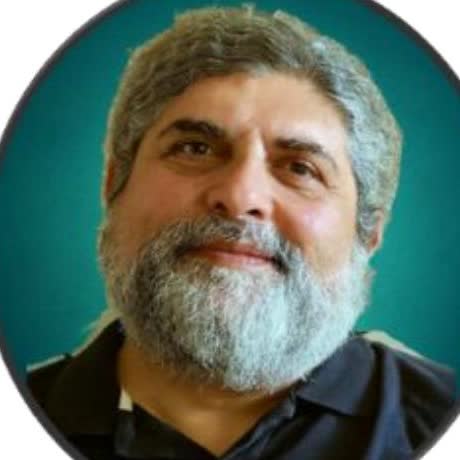
Inventor of Entelec. More than 20 years building complex computational systems based on first-principles reasoning, mathematics, and computer science, including high-frequency trading systems at Goldman Sachs.
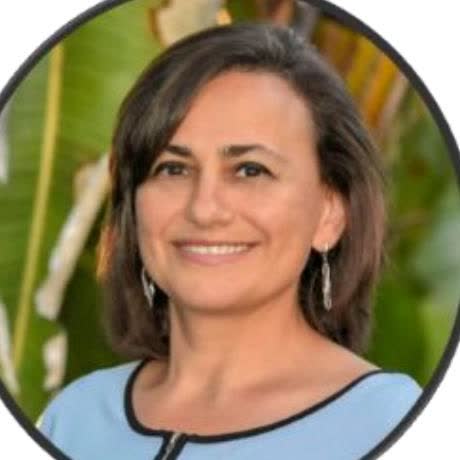
More than 20 years in biotechnology and pharmaceutical R&D, including work across multiple clinical-stage and approved therapeutics.
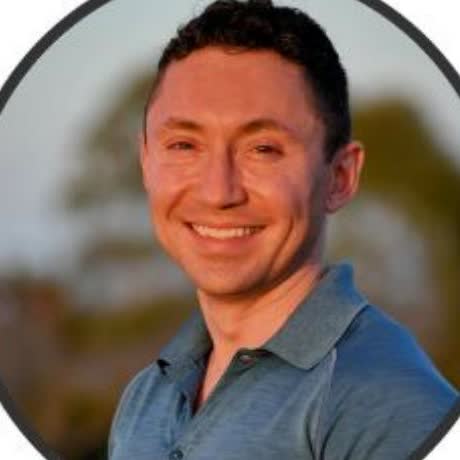
Background in business development and strategic transactions. Co-founded an early machine-learning oncology company, worked across companies from inception through post-IPO.
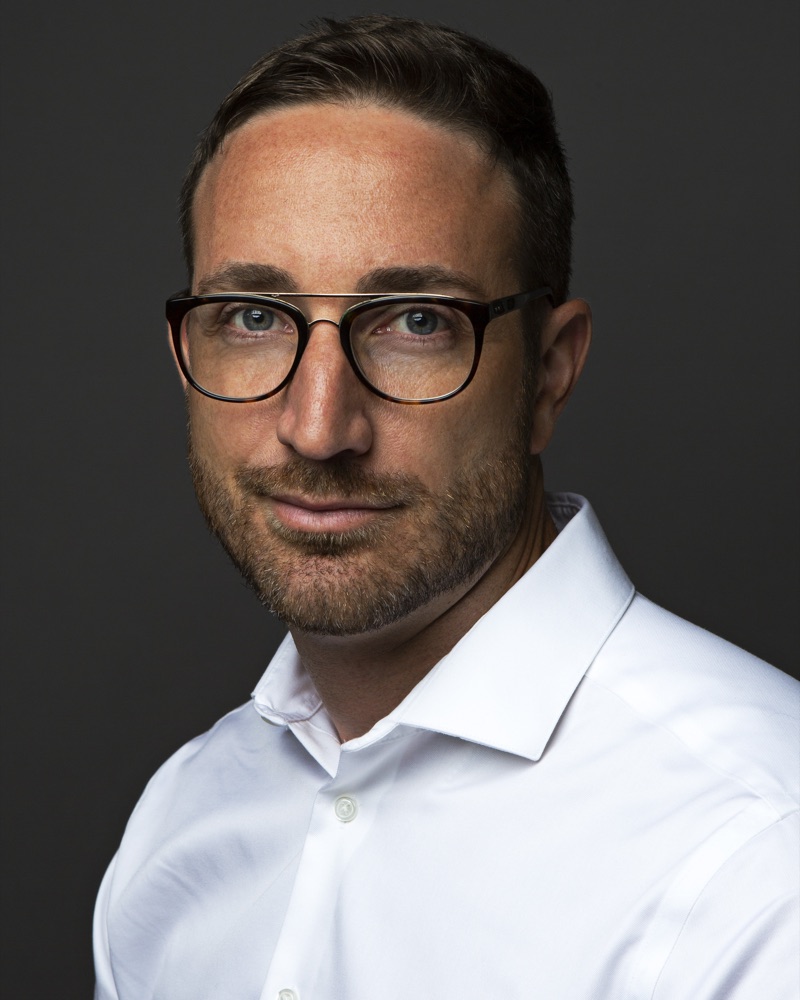
Founded the Abzyme Research Foundation in 2010. His path from research participant to advocate to steward of ARF's catalytic-antibody and HIV vaccine portfolio shapes how he works: building the coalitions, including with UC San Diego and Keystone Sciences, that move promising science toward patients.
Keystone's scientific advisors include Benjamin Cravatt, PhD (chemistry), Razelle Kurzrock, MD (clinical), and Daniel Maneval, PhD (toxicology).
$2.91 million to complete the Alzyme optimization program
ARF is seeking $2.91 million to fund Keystone's computational design work and ARF's wet-lab validation, including a 10% scientific contingency and ARF's standard 15% indirect cost.
The objective is to develop an optimized lead candidate with the supporting data needed to decide whether it is ready to enter IND-enabling studies.
We would welcome the opportunity to discuss the underlying science, the development plan, and the work required to reach that decision point.